
Lotte Hotel Hanoi vs L7 West Lake: Mango Bingsu Compared
Mango bingsu at Lotte Hotel Hanoi's Lounge Sky vs L7 West Lake's LUSH, compared on view, taste, portion and price. Discounts: 10% guests, 5% Rewards.
Mango bingsu at Lotte Hotel Hanoi's Lounge Sky vs L7 West Lake's LUSH, compared on view, taste, portion and price. Discounts: 10% guests, 5% Rewards.
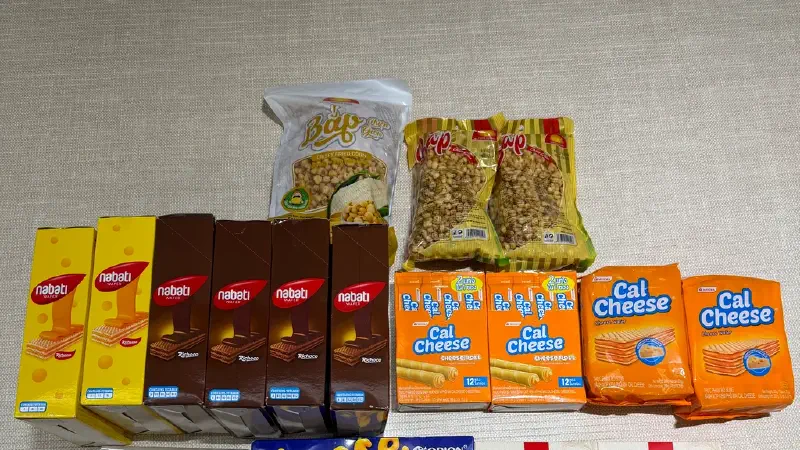
Eight snacks from Lotte Mart in Lotte Center Hanoi: Nabati, Gouté, corn puffs and more. Packaging text to look for and online store prices in VND and USD.
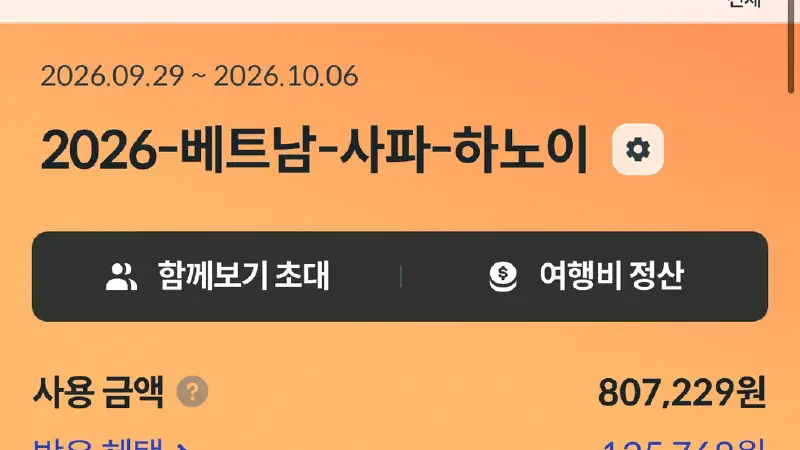
Total cost of 7N8D in Hanoi and Sapa for a family of four: ₩4.0M (~$2,890). Fees Travlog waived, checking Grab coupons before booking, Travel Pass.
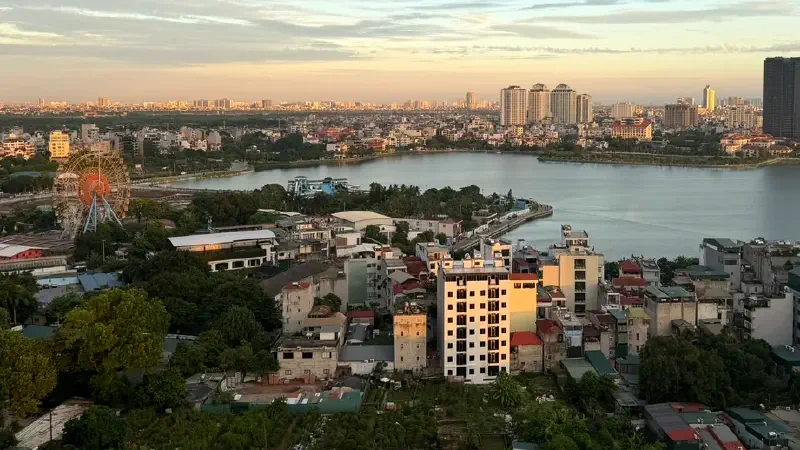
Resting at L7 West Lake and Lotte Mall, a city tour bus around Hoan Kiem, then home from Noi Bai: the last three days and the 7N8D total cost.
HK Buslines sleeper bus from Sapa to Hanoi's West Lake: a downstairs double cabin, a toilet on board, the Lotte Mall shuttle and an L7 deposit tip.
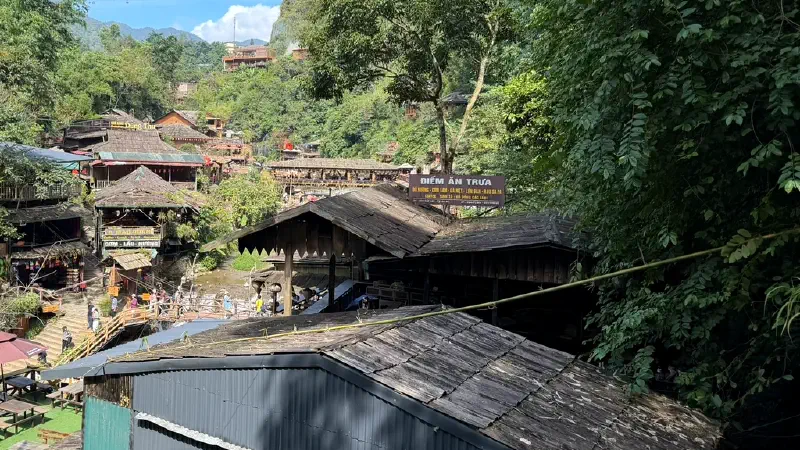
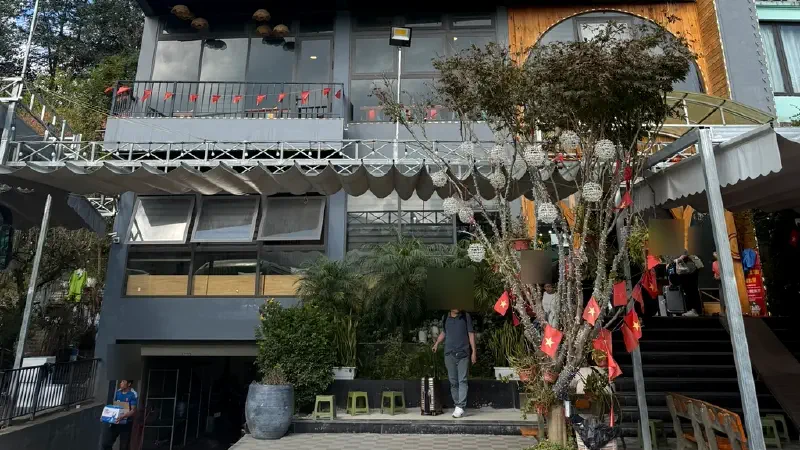
We walked 1.6km from our Sapa hotel to Cat Cat Village with two kids. Taxis kept passing us, and our younger one loved the slide.
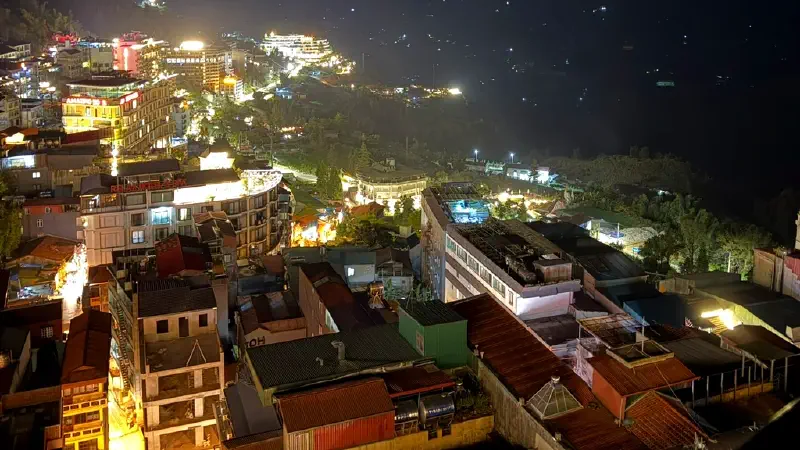
Fansipan with a WOW Pass: no lines for the funicular, cable car or summit train, a cloudy 3,143m peak, a 7th-floor pool and coconut curry.

6am at Lao Cai station, a Klook private van to Sapa, 11am early check-in at Hôtel de la Coupole, Coóng egg coffee, a warm indoor pool, dinner at Chic.
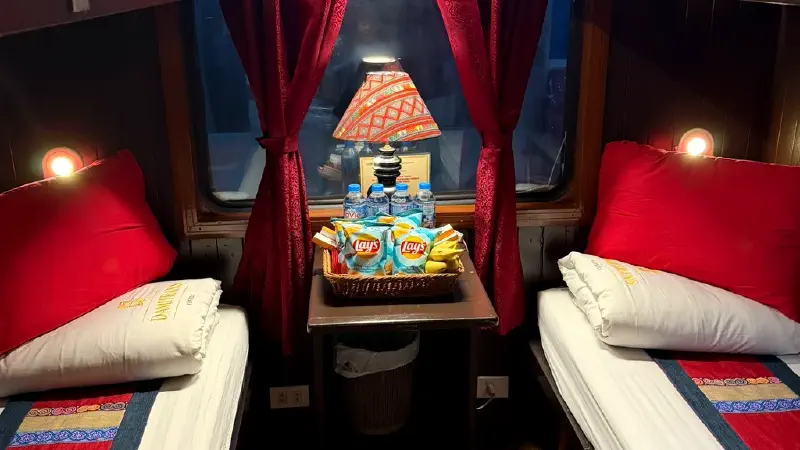
Noi Bai baggage took 90 min. BIDV declined my UPI card on day one but worked on an Oct 17 retry; Agribank paid out, no fee. Old Quarter, sleeper train.
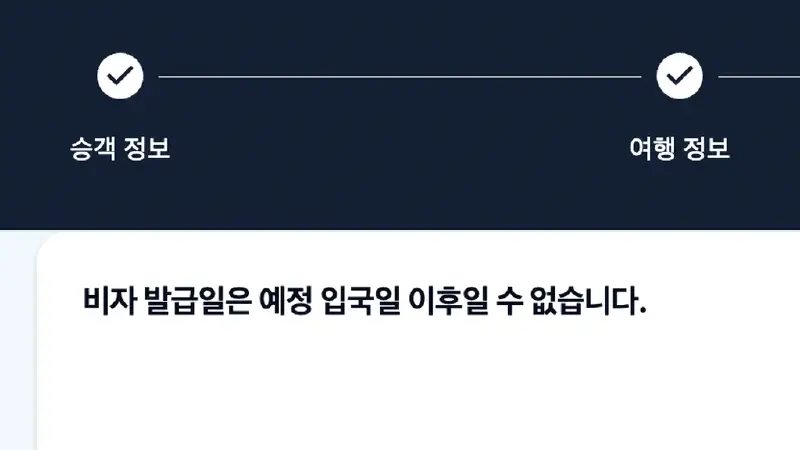
Vietnam arrival card (PAI) error 'The visa issue date cannot be after the expected arrival date', fixed by moving the date back a day. Noi Bai immigration went fine.