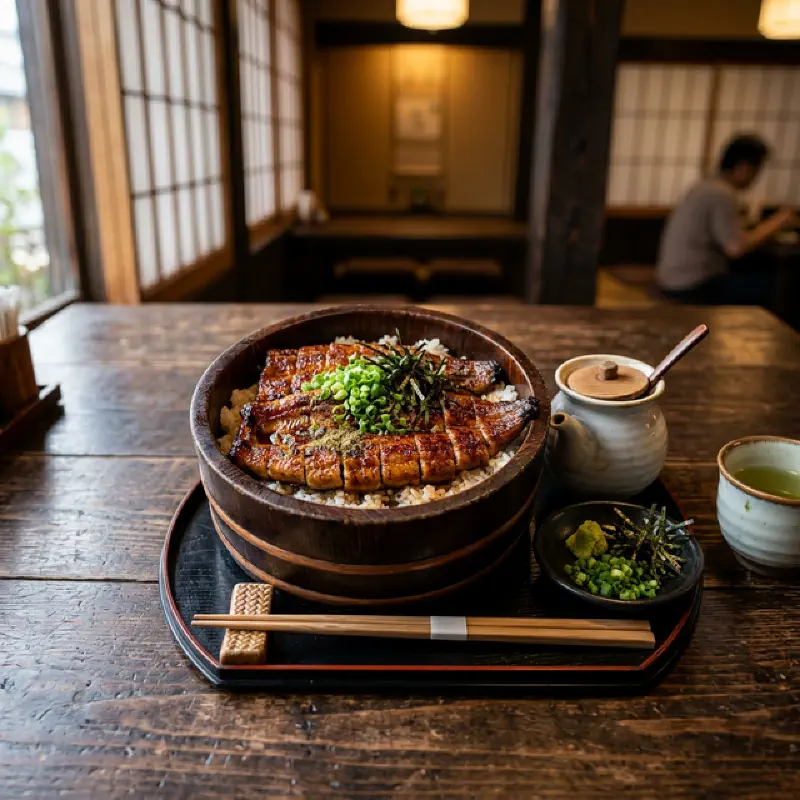
When I first heard the name Hitsumabushi (ひつまぶし), honestly, I just thought it was another fancy word for an eel rice bowl (Unadon).
I was wrong.
What Kind of Place is Yangsando?
Yangsando is a freshwater eel specialty restaurant that started in Busan back in 1956 and is currently being run by its 3rd generation.
In 2019, when the 3rd generation took over the family business, they rebranded it into its current form. They reinterpreted their traditional grilled eel into Nagoya-style Hitsumabushi and opened their first store in Jeonpo-dong, Busan. It’s built upon the deep flavors they’ve been refining for decades.
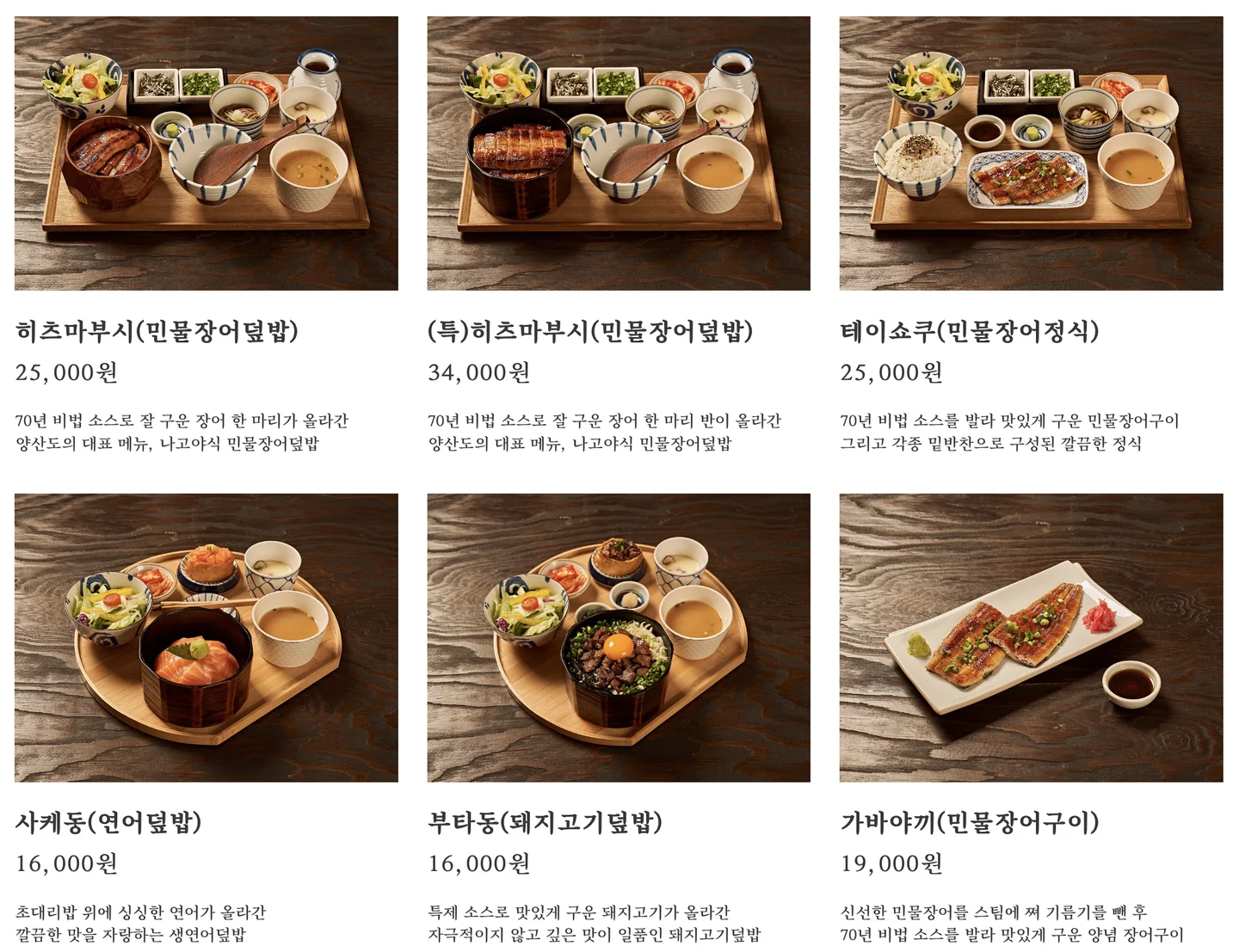 The Special (Tok) Hitsumabushi I ordered today was 34,000 KRW. It has more eel compared to the standard Hitsumabushi (25,000 KRW).
The Meal Set is Quite Substantial
When you order the Special Hitsumabushi, it comes with several side dishes aside from the main bowl.
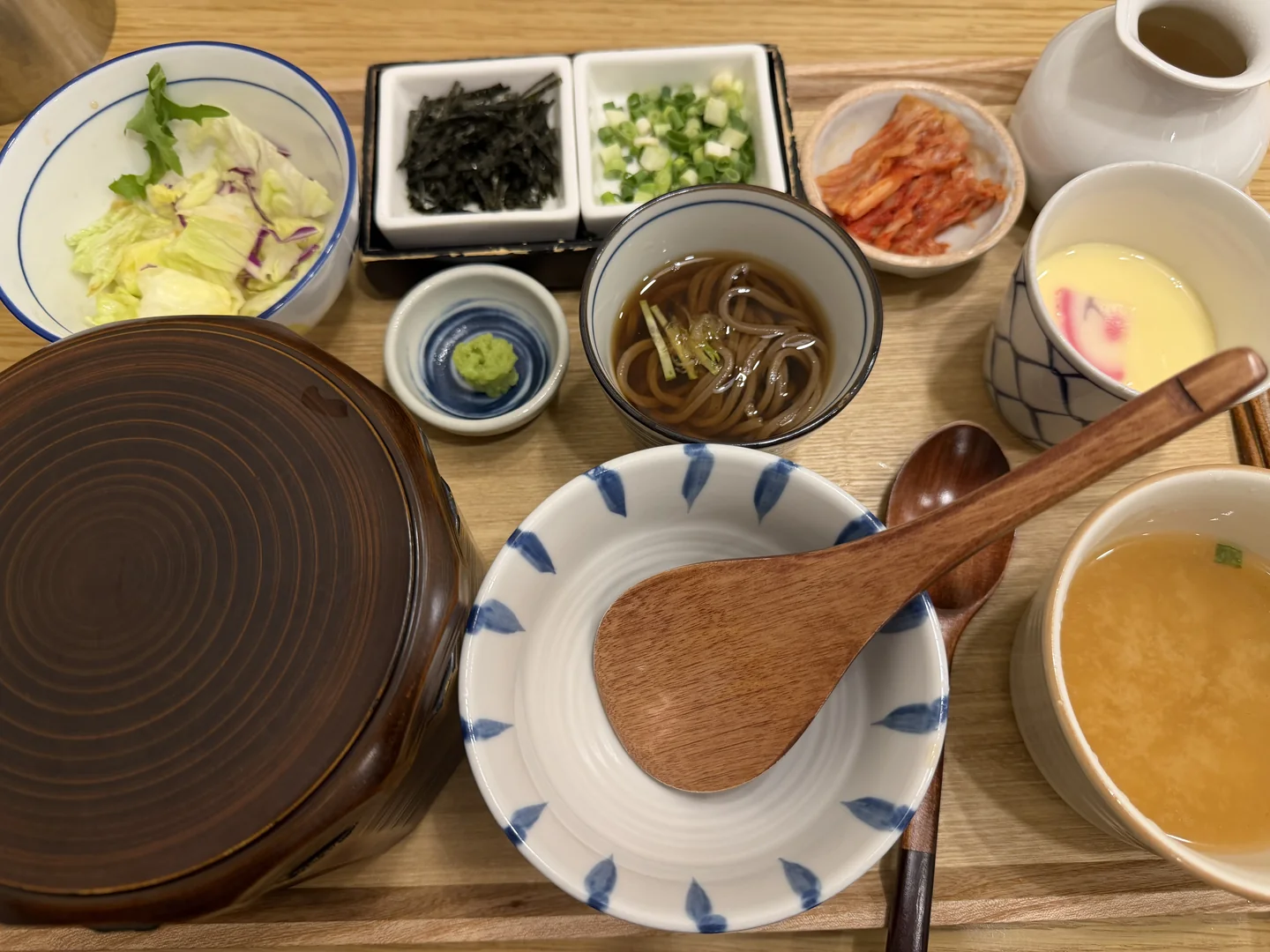 The meal served with the wooden Ohitsu (wooden bowl). It comes with a pre-meal soba noodle, chawanmushi (steamed egg custard), salad, miso soup, and ocha (broth). Quite a solid configuration. This is before opening the lid.
The garnish set (seaweed flakes, green onions, wasabi), cold soba noodles to start, steamed egg custard, salad, and miso soup. The set is more generous than I thought, making me feel the composition is quite good for the price.
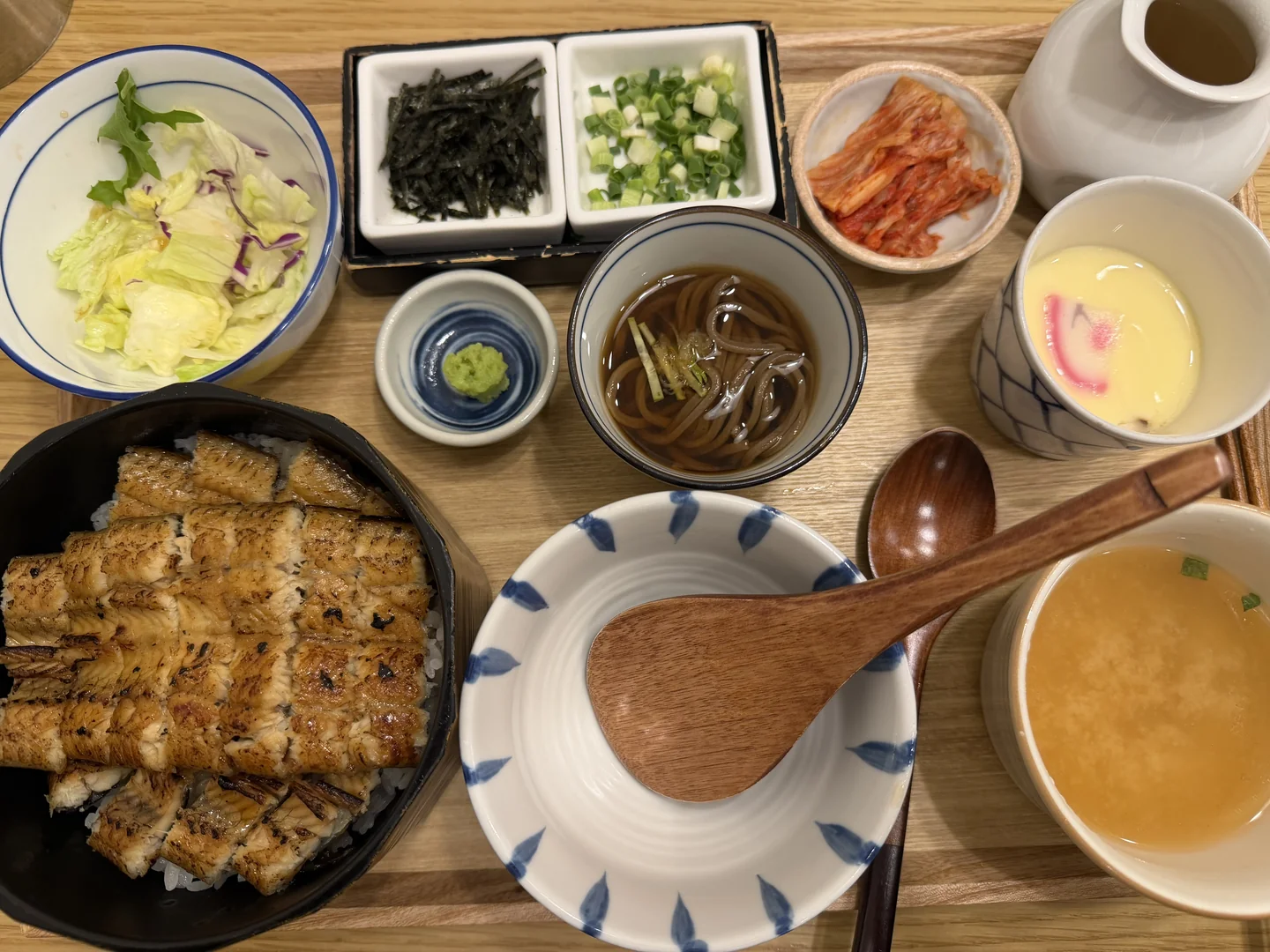 When you open the lid, grilled eel coated with their rich signature sauce is densely packed over the rice. The aroma hits you first.
How to Eat Hitsumabushi
The name Hitsumabushi (ひつまぶし) comes from ‘mixing chopped eel and rice served in a wooden bowl (Ohitsu·櫃)’. It’s a local dish from Nagoya, and a restaurant named Atsuta Horaiken (あつた蓬莱軒) in Nagoya is known to have established this style.
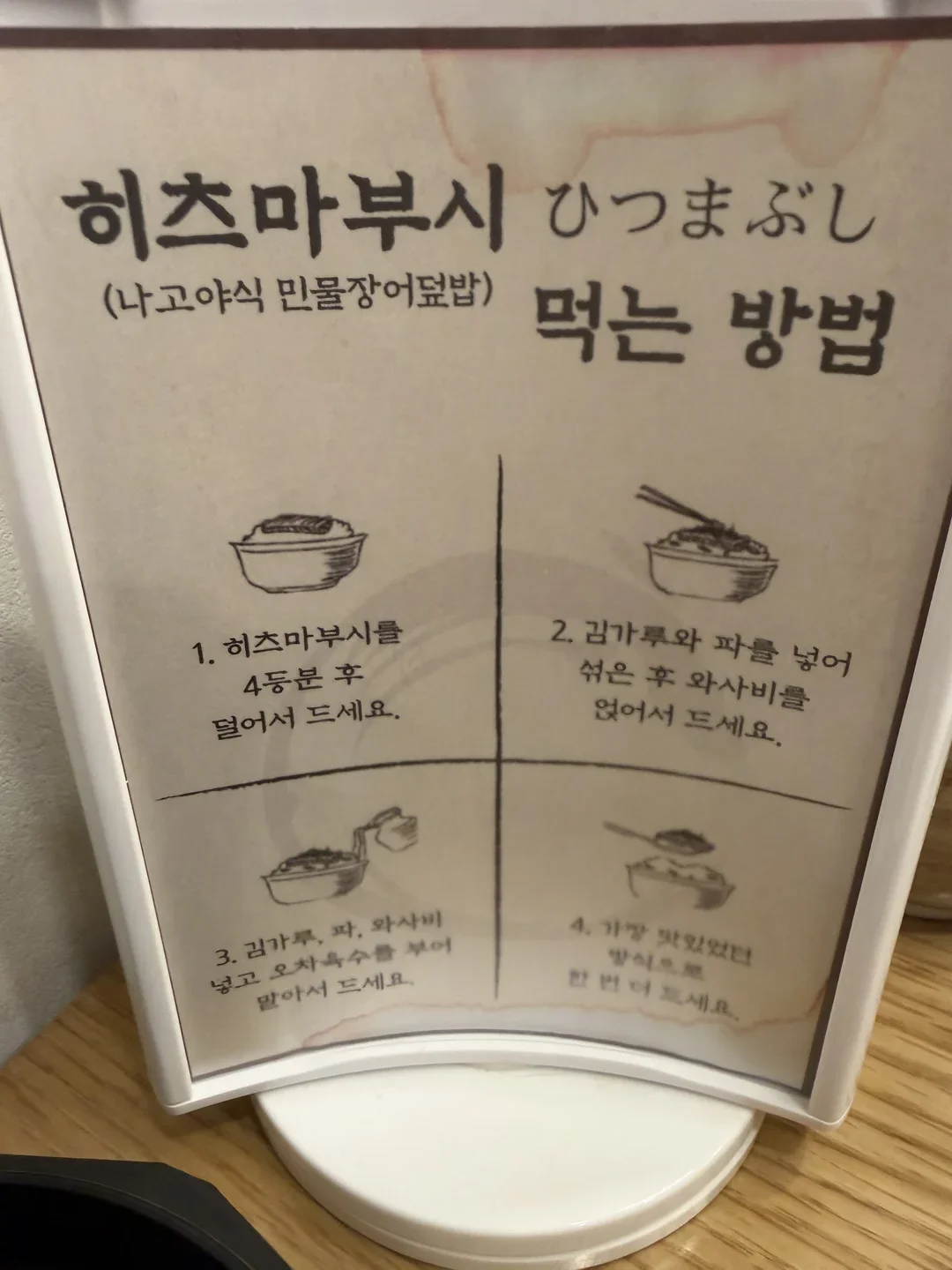 The instruction card placed on the table. I thought ’this is just marketing talk’, but it was real. Following the steps, each tasted distinctly different.
There was an instruction card on the table, and I followed it exactly.
First, you divide the rice in the bowl into four portions with the wooden spatula. Then, in order:
1. Just as it is. Taking a spoonful brings up a good ratio of rice and eel. Yangsando’s unique signature sauce enters your mouth first, rich and sweet. I could definitely feel the depth was different from the eel bowls I usually eat around my neighborhood.
2. Mixed with seaweed flakes and green onions, topped with wasabi. ‘Does wasabi go well with eel?’ I was a bit skeptical, but it matched surprisingly well. The wasabi lightly balances the rich sauce flavor, shifting the aroma to be much more refreshing. Adding the scent of seaweed made my appetite surge. Personally, this second method was the most delicious.
3. Pouring Ocha (Broth) over it. Pouring hot broth into the bowl turns it into an Ochazuke (お茶漬け — Japanese dish made by pouring tea or broth over cooked rice) style. I worried it might be greasy since eel is an oily fish, but the strong flavors gently dissolved into the broth, making it actually very soothing for the stomach. It was a clean finish, a completely different vibe from the heavier first and second methods.
4. One more time with your favorite method. For me, it was method number 2. Lots of green onions and seaweed flakes, topped with wasabi.
There’s Also a ‘King Hitsumabushi’ Option
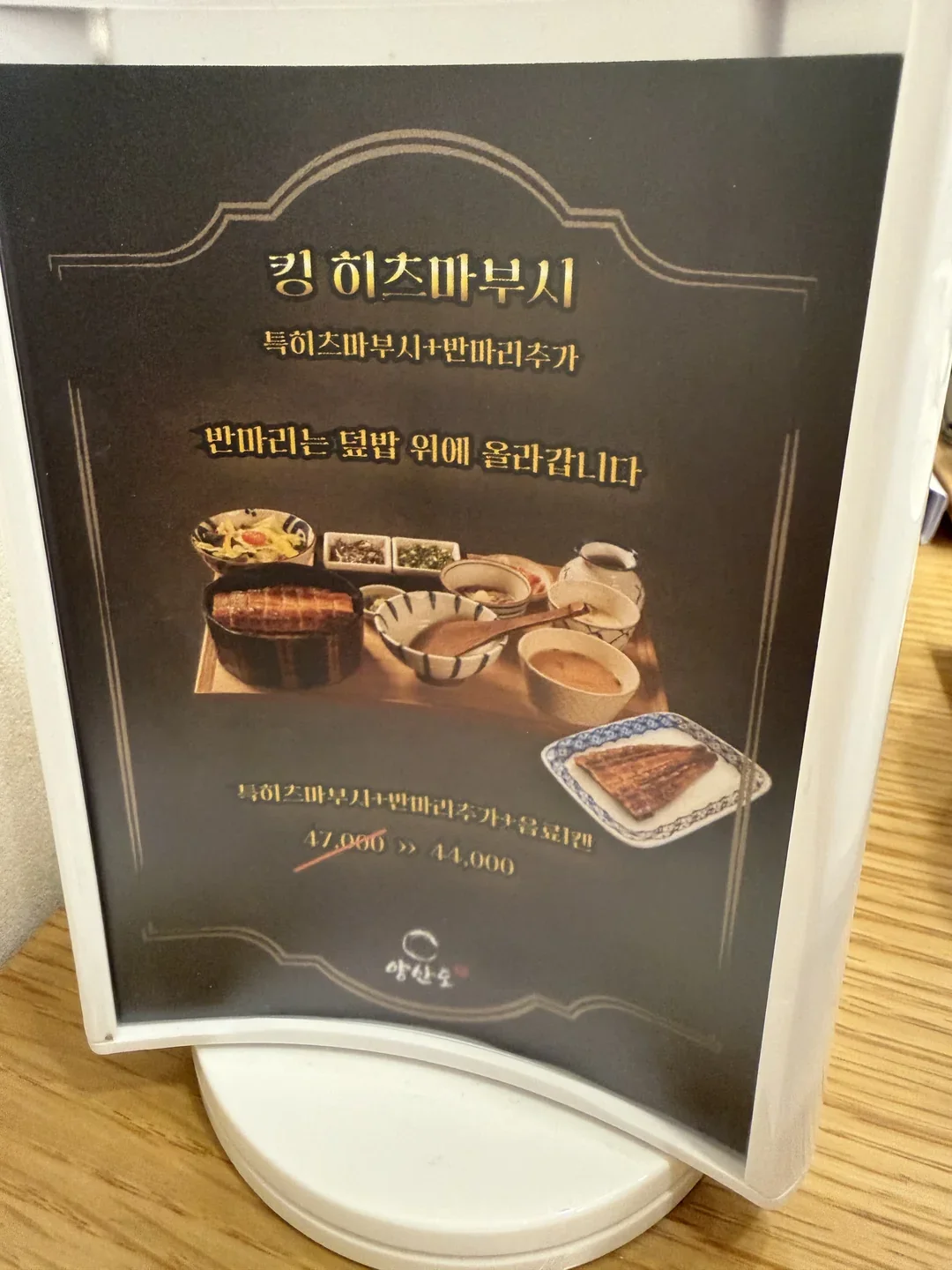 A configuration that adds another half an eel on top of the Special Hitsumabushi. 44,000 KRW.
It is a place with a certain price point. It’s not a place you can easily visit frequently without feeling the burden.
However, after eating, I didn’t feel like my money was wasted. From the very first bite, you can instantly tell that the deep flavor the eel holds is on a different level. And the concept of eating one bowl in three different ways was actually a fun and fascinating experience, as each method truly produced a different taste.
I think I’ll come back occasionally when I want to enjoy a serious meal. I’m debating whether to try the King Hitsumabushi next time, though it might be a bit embarrassing to eat it alone.